

Wren (c) Andy Rouse/2020VISION
Songbird Saturday
Learn birdsong at the weekends - reap the benefits for the rest of your life
Nature’s music
Learning birdsong is a tranquil kind of magic. It invites you to step outside, slow down and tune in to a wild world that’s always been there - singing above you, around you, and sometimes just beyond your perception. As you begin to recognise each voice, familiar places take on new depth: the cheerful trill of a Wren threading through a morning walk; the clear whistle of a Blackbird marking the day’s turning; the soft coos, chirrs, and warbles that reveal hidden lives in the hedgerow.
Nature for wellbeing
Birdsong is so much more than mere sound; it’s a profound connection with nature. It changes the way you perceive the landscape and you become more aware of seasonal changes, more attuned to subtle shifts, more present in the moment. That presence nourishes wellbeing. It draws you out of your thoughts and into the natural world, where attention becomes calm, and curiosity becomes joy.
And the beauty is, anyone can learn, at any age. You don’t need any special equipment or expertise, just open ears, a little patience, and a willingness to listen. In return, birds offer something extraordinary: a daily soundtrack that steadies the mind, lifts the spirit, and reminds you that you’re part of something bigger, wilder, and wonderfully alive.
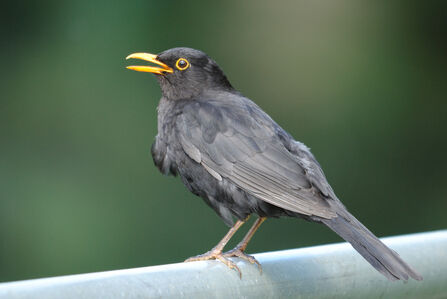
Singing blackbird ©Amy Lewis
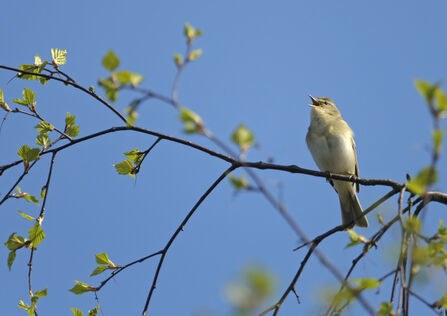
Chris Gomersall/2020VISION
Birdsong for beginners
Magical as birdsong for birdsong’s sake is, the experience is further enriched when you are able to match the melody up with the musician. If you’re new to birdsong identification, it can seem a little daunting knowing where to start. But the good news is that, with technology such as high quality audio-recording equipment and bird identification apps such as Merlin, there’s never been a better time to learn. And while you can start at any time in the year, winter is a good time to start as there are fewer birds around and singing so it’s generally easier to get your ear in and get a few songs in the bag before springtime when the full avian orchestra will be delighting with the dawn chorus.
To help you on your journey of discovery, we’re going to be playing you the song of a different songster on our social media channels for our new weekly #SongbirdSaturday special. If you don’t already follow us, why not find us on Facebook, Instagram, LinkedIn and YouTube and give us a follow?
We’ll be updating this webpage weekly too, with a longer version of the recording so you can listen at your own pace, along with tips and tricks so you know what to listen out for.
Different bird sounds
Birds are sophisticated communicators and use a range of vocalisations for different purposes, such as:
- Songs - these tend to be more complex melodies used to attract mates and defend territories. They are usually performed only by male birds, but not always.
- Alarm calls - these short, sharp, high-pitched sounds alert other birds to predators.
- Contact calls - these are quick, quiet sounds made to a flock or partner.
- Territorial calls - these tend to be louder, more aggressive calls to warn other birds off.
- Flight calls - these maintain flock cohesion in the sky.
- Non-vocal sounds - these are mechanical noises including drumming (woodpeckers), bill-snapping or wing-clapping
Magical as birdsong for birdsong’s sake is, the experience is further enriched when you are able to match the melody up with the musician...
Local birdsong for local people
Not only have all the birdsongs we’ll be playing been recorded right here in the county, they’ve all been captured and carefully edited especially for Songbird Saturday by one of our wonderful volunteers, Martin Neil – a perfect example of the myriad of different forms volunteering for Montgomeryshire Wildlife Trust can take!
We’re very keen for all our supporters to get involved in Songbird Saturday though, so if you’ve captured some birdsong on your camera-phone, or you’ve snapped a pic, then do share it on socials and tag us and include the #SongbirdSaturday hashtag. Similarly, if you have a favourite birdsong you’d like us to feature then do let us know – we’d love to hear from you.
And of course, if you’d like to use your new-found skills to help local wildlife, do consider recording the birds you identify, via our website or an app such as Birdtrack or iRecord, and help ensure birdsong is a simple pleasure people can can continue enjoying.

Swift in flight; (c) Stefan Johansson
Swift
Few bird calls are more iconic and adored than the screaming of Swifts – a much-cherished sound of summer that is tragically falling quiet

Tree Pipit; (c) Derek Moore
Tree Pipit
Learn more about identifying the song of this red-listed woodland bird that almost always performs its song mid-flight

Swallow singing; (c) Chris Gomersall/2020VISION
Swallow
One of the sounds of summer, the joyful song and cheerful chirps of this hirundine are quite simple to recognise when you know when and where to listen out

Whitethroat; (c) Amy Lewis
Whitethroat
This bouncy, 'bearded', big-headed summer visitor has a scratchy quick-fire song you might have heard over fields and farmland...

Reed Warbler; (c) Martin Neil
Reed Warbler
Understated its appearance might be, but there's nothing plain about the vivacious vocal stylings of this reedbed raver

Goldcrest singing; (c) John Bridges
Goldcrest
This tiny songbird certainly punches above its weight with a warbling, shimmering song perfect for defending its territory

Linnet; (c) Logan Walker
Linnet
The sweet, twittering tune of this renowned songbird can be heard in grassland, heathland and farmland – once you know how to get your ear in

Male Redstart; (c) Mark Hamblin/2020VISION
Redstart
These colourful chats, Celtic rainforest specialists, sound as beautiful as they look

Cuckoo calling; (c) Jon Hawkins/Surrey Hills Photography
Cuckoo
This bird's iconic two-note call might need no introduction – but there's so much more to this fascinating, parasitic bird

Male Pied Flycatcher on moss-covered branch; (c) Mark Hamblin/2020VISION
Pied Flycatcher
The rich, diverse and melodious song of this beloved summer migrant can only be heard for a short time – and the tune is even sweeter for its fleeting nature
Nuthatch
This downward-climbing beauty is another small bird with a very big voice bringing joy to our woodlands in spring

Green Woodpecker on tree; (c) Andrew Mason
Green Woodpecker
More of a laugh than a call, the vocal repertoire of this noisy woodpecker is very distinctive once you know what you're listening for

Stonechat; (c) Adam Jones
Stonechat
This Robin-sized bird is most famous for the alarm call which has given it its common name

Skylark; (c) John Bridges
Skylark
This buff-coloured bird of big skies would be easily overlooked if it wasn’t for its showstopping voice – the stuff that music and poetry’s made of

Willow Warbler singing; (c) Chris Gomersall/2020VISION
Willow Warbler
The sweet, cascading song of this warbler is a welcome addition to the dawn chorus

Blackcap (c) Vaughn Matthews and Garden Warbler (c) Chris Gomersall/2020VISION
Blackcap vs Garden Warbler
These two birds are notoriously tricky to distinguish from one another – so prick up your ears and relish the challenge

Chiffchaff on bare branch; (c) Jon Hawkins/Surrey Hills Photography
Chiffchaff
One of the unequivocal heralds of spring, the Chiffchaff's song is many people's favourite for its simplicity and what it represents...

Chaffinch (c) Bob Coyle
Chaffinch
Heard between February and June, this finch's rapid and dramatic song is unmistakeable, once you know what to listen out for

Dunnock perched on vegetation; (c) Jim Higham
Dunnock
The inconspicuous appearance of this shy little bird belies its beautiful, babbling song

Blue Tit (c) Martin Neil
Blue Tit
This brightly-coloured, sweet-songed tit is one of the birds you're most likely to hear in your garden, so the song is a good one to learn

Great Tit perched on a hedgerow getting ready to sing (c) Martin Neil
Great Tit
Find out more about this big tit with a big voice and what makes it so special

Wood Pigeon (c) Jon Hawkins/Surrey Hills Photography
Woodpigeon
Comforting and soothing, this pigeon's call is like a vocal caress
Wren
This tiny but mighty vocalist has a loud voice and a bright but reliable bubbling song

Robin; (c) Martin Neil
Robin
Delighting with its chirpy yet wistful song nearly all year round, the Robin is one of our most prolific songsters

©Mark Hamblin/2020VISION
Great Spotted Woodpecker
Few British birds are more distinctive in sight and sound than this eye-catching master of rhythm

Blackbird: (c) Martin Neil
Blackbird
It may be one of our most prolific singers, but the Blackbird's carefree song makes it one of the most loved

Photo: (c) Martin Neil
Song Thrush
This thrush is so renowned for its tuneful vocalisations, the characteristic earned it its name

Dawn Chorus (Sedge Warbler singing at dawn): (c) Mark Hamblin/2020VISION
Dawn Chorus
This early-morning orchestra is one of nature's most uplifting experiences
Songbird Saturday has been made possible thanks to funding raised by Postcode Lottery players, and awarded through Postcode Planet Trust. To find out more about other ways this British charity lottery has supported our work, click here.
A huge thank you to the amazing players of Postcode Lottery for helping bring nature’s soundtrack to life!
